
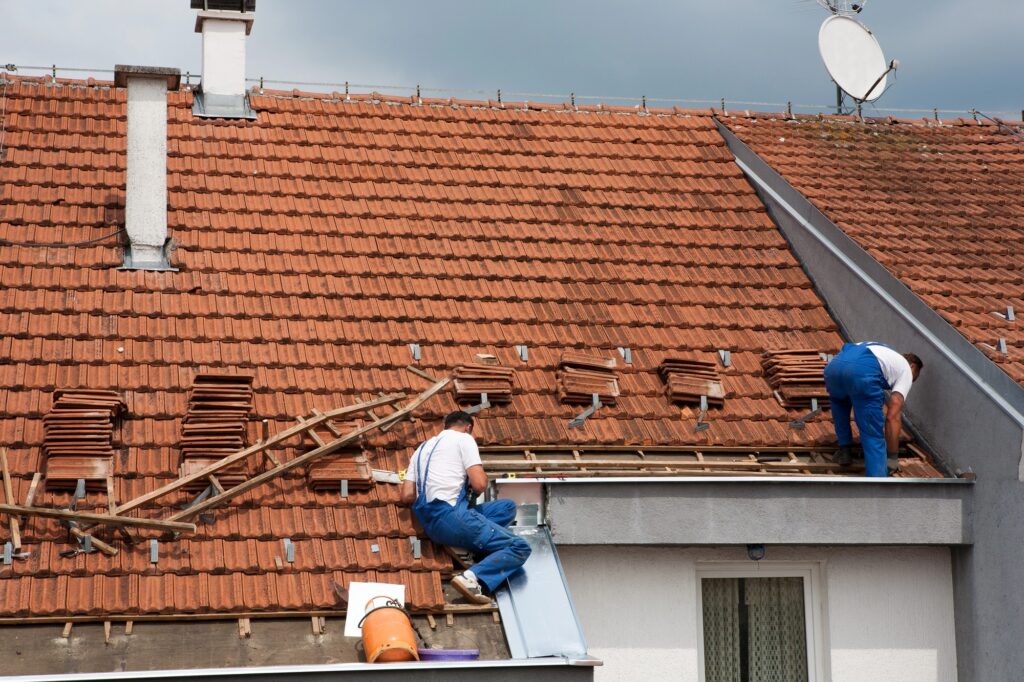
A big hailstorm rolls through Winnipeg. Maybe you heard it hammering against the windows. Maybe you walked outside afterward and found shingles in the yard. Then, before you’ve had much time to think about your roof at all, someone knocks on your door offering to inspect it.
They might be a perfectly legitimate roofing contractor.
They might also be a storm chaser.
Storm chasers are roofing companies or contractors that travel into areas shortly after major storms looking for roofing work. There’s nothing inherently wrong with a roofing company taking on work outside its usual area, but homeowners should be cautious when there’s no established local presence. That goes double when a contractor is pressuring you into signing a contract.
Before you hand over a deposit or start an insurance claim, take a little time to find out who you’re dealing with.
What “Storm Chasing” Means In The Roofing Industry
Roofing storm chasers follow severe weather events into affected communities, where hail, high winds, and falling debris can create a sudden demand for roof inspections and repairs.
That alone doesn’t make them dishonest.
The concern is that some storm chaser roofing companies move from one storm-affected city to another, complete as much work as possible, and leave once demand slows down. If something goes wrong with your roof months later, getting that contractor back to Winnipeg can become much more difficult.
Others may rely on aggressive door-to-door sales, tell homeowners that storm damage is worse than it actually is, or pressure them to sign paperwork before they have had time to compare roofing contractors.
By creating urgency and uncertainty in a homeowner already worried about their house, storm chasers can run roofing scams that are all-too-effective after a major storm.
Why Storm Chaser Roofers Can Be A Concern For Winnipeg Homeowners
Your roof isn’t something you want repaired by a company you can never find again.
Poor or incomplete workmanship may not become obvious immediately. A problem with flashing, ventilation, shingles, or water intrusion can reveal itself months or even years after the roof was installed.
A roofing warranty is much less useful if the company that provided it no longer works in Manitoba.
Storm chasers can also make an already confusing insurance process harder. If your roof has legitimate storm damage, your insurance company may require documentation, estimates, inspections, or other information before approving an insurance claim. A contractor should be willing to explain what they found without pressuring you into making decisions about your insurance coverage.
Homeowners should also know who is actually doing the work. Some roofing storm chasers primarily sell contracts and then rely heavily on subcontractors. Subcontracting itself isn’t necessarily a problem, but you should know who will be on your property, who is responsible for the installation, and who stands behind the work once it’s completed.
How To Identify A Storm Chaser Roofing Company
A knock on the door after a hailstorm isn’t proof you’re dealing with a scam. Think of it as a reason to do a little homework.
Warning signs can include:
- Pressure to sign immediately. Be cautious if you’re told an offer disappears today or that you have to commit before getting another estimate.
- No established local presence. Look for a real business history, local contact information, and evidence that the roofing contractor regularly works in Winnipeg.
- Vague answers about insurance or credentials. A contractor should be able to clearly explain their insurance coverage and business credentials.
- Unclear warranty information. Find out what the roofing warranty covers and, just as importantly, who you contact if you need warranty service later.
- An estimate that’s short on details. The scope of work, materials, costs, timelines, and other important terms should be clearly documented.
- Big promises about your insurance claim. Your roofing contractor can inspect and document storm damage, but your insurance company ultimately determines what your policy covers.
- Unclear answers about who will install the roof. You should know who is doing the work and who is responsible for making sure it is completed properly.
Manitoba’s Consumer Protection Office similarly recommends comparing estimates and getting detailed contract information in writing before hiring a contractor.
How To Choose A Reputable Roofing Company In Winnipeg
Avoiding roofing contractor scams doesn’t require becoming a roofing expert yourself. Mostly, it means slowing the process down enough to ask a few good questions.
Verify Their Local Experience, Credentials, & Insurance
Start with the basics.
How long has the roofing company worked in Winnipeg? Can you find completed projects and customer reviews? Do they have an established local address and phone number? Can they provide information about their insurance and credentials?
A local roofing company should be easy to find before, during, and after your roofing project.
M&M Roofing & Exteriors has served Winnipeg and the surrounding area for more than 15 years, with its owners involved throughout the roofing process, from the initial visit through installation and final inspection.
Compare Estimates, Contracts, & Roofing Warranties
You don’t need to choose the first roofing contractor who inspects your home.
Get more than one estimate, especially after widespread storm damage. Compare what each contractor is actually proposing: Materials, scope of work, price, estimated timeline, cleanup, and warranty coverage.
If two estimates are dramatically different, ask why.
A good estimate should make the project easier to understand – not leave you with another page of questions.
Ask Who Will Perform & Stand Behind The Work
This is one of the simplest questions you can ask:
Who do I call if there’s a problem afterward?
The answer should be obvious; if it’s not, you may have a storm chaser on your hands.
Find out who is completing the installation, who supervises the project, how the final work is inspected, and how warranty concerns are handled. The roof may be installed in a few days. Your relationship with the company responsible for it can last much longer.
What Should You Do After a Storm Damages Your Roof?
First, stay safe. You don’t need to climb onto your roof yourself to determine whether hail or wind caused damage.
Take photos of visible damage from the ground where possible, including fallen shingles, damaged exterior materials, or anything else that changed during the storm. If you suspect roof damage, arrange an inspection with an experienced roofing contractor.
If you plan to make an insurance claim, contact your insurance company and ask what information they require. Your roofer can document what they find and provide an estimate, but questions about coverage and the insurance claim itself should ultimately go through your insurer.
Most importantly, don’t let the aftermath of a storm rush you into choosing a contractor.
Ask questions. Compare your options. Get the work to be done in writing.
Your roof has already made it through the storm. You can take a little time to decide who you trust to fix it.
Get Help From A Trusted Roofing Company In Winnipeg
When your home has been hit by hail or high winds, you want to know what happened to your roof and what actually needs to be done about it.
M&M Roofing & Exteriors has been providing roofing and exterior services throughout Winnipeg and the surrounding area for more than 15 years. Our owners stay involved throughout the process, helping homeowners understand their options and making sure the finished work meets our standards.
If you’re concerned about storm damage, contact our roofing company in Winnipeg to request an inspection or estimate. We’ll take a look, explain what we find, and help you figure out the next step – without the storm-chaser sales pitch.